

In This Article
- Why Do Lizards Enter Homes?
- Are Lizards Dangerous or Poisonous?
- 12 Proven Ways to Get Rid of Lizards at Home
- How to Keep Lizards Away for Good: Long-Term Prevention
- Can Lizards in Your Garden Be Beneficial?
- Safety Considerations When Using Home Remedies
- Final Thoughts: A Holistic Approach to Lizard Control
- How can Livspace help you?
If you’ve been spotting lizards darting across your walls at night, you’re not alone. Lizards are extremely common in Indian homes, particularly in cities like Mumbai, Bengaluru, Chennai, and Delhi. Whilst most house lizards are harmless, their presence can be unsettling, and their droppings can create hygiene concerns. The good news? You can get rid of lizards naturally without harming them, using simple home remedies that actually work.
In this comprehensive guide, we’ll walk you through everything you need to know about keeping lizards away from your home, from understanding why they enter in the first place to implementing effective, long-term prevention strategies.
Why Do Lizards Enter Homes?
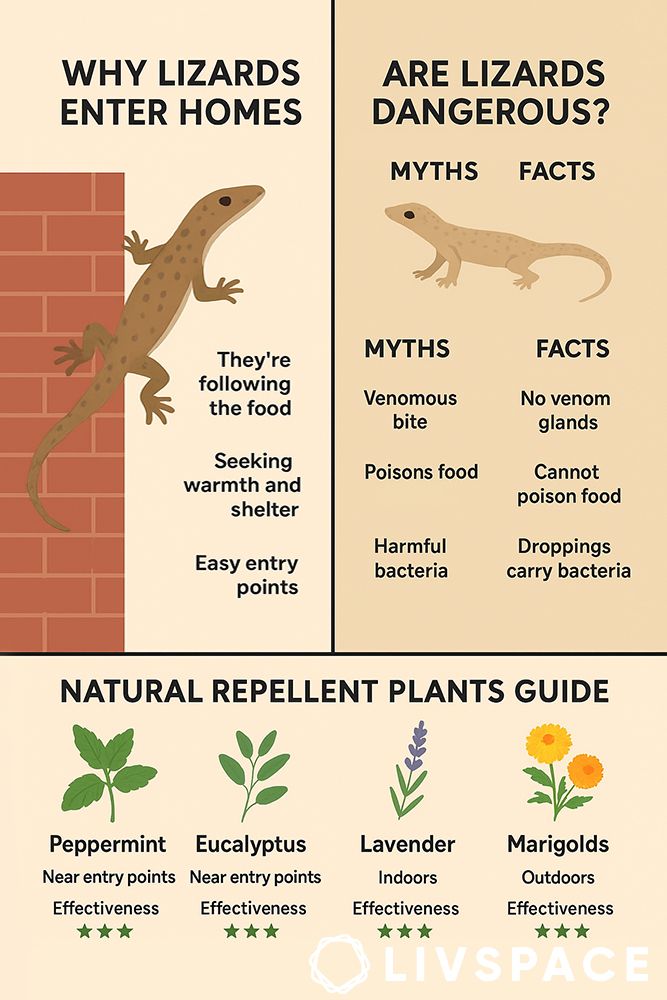
Before you tackle the lizard problem, it’s essential to understand what’s attracting them to your home in the first place. Lizards don’t wander into homes randomly; they’re usually following a food source or seeking shelter.
They’re Following the Food
The primary reason lizards enter Indian homes is to hunt insects. House lizards (geckos) feed on mosquitoes, flies, ants, beetles, moths, cockroaches, and spiders. If your home has a pest problem, you’re essentially rolling out a welcome mat for lizards. They’re particularly drawn to homes with:
- Open food that attracts flies and ants
- Standing water that breeds mosquitoes
- Damp, dark corners where insects thrive
- Poor waste management
- Clutter that provides hiding spots for insects
Also Read: Easy Home Remedies for Cockroaches That Will Get Rid of Them Permanently
Seeking Warmth and Shelter
Lizards are cold-blooded reptiles, meaning they cannot regulate their own body temperature. They’re naturally attracted to warm environments. This explains why:
- Lizard sightings increase during monsoon season when they seek dry shelter
- You’ll spot more lizards in cities like Mumbai, Chennai, and Hyderabad, which have warm, humid climates
- They congregate near heat-generating appliances like televisions, refrigerators, and kitchen stoves
- They’re less common in air-conditioned spaces or during winter months
Easy Entry Points
Lizards can squeeze through surprisingly small gaps. Common entry points include:
- Cracks in walls and ceilings
- Gaps around windows and doors
- Openings around pipes and vents
- Unsealed cabinets and storage areas
- Spaces under doors
Also Read: How to Get Rid of Ants at Home
Are Lizards Dangerous or Poisonous?
Let’s address the most common concern head-on: No, house lizards in India are not poisonous or dangerous. This is one of the most persistent myths in Indian households, but scientific research has conclusively proven it false.
The Truth About Indian House Lizards
- Not venomous: India has zero species of venomous lizards. The common house gecko (chipkali) found in most Indian homes has no venom glands.
- Cannot poison food: Whilst many believe that lizard urine, droppings, or even their breath can poison food, this is entirely untrue. However, their droppings can carry bacteria, which is why maintaining hygiene is important.
- Rarely bite: House lizards only bite when cornered or threatened, and even then, their bite is harmless and may cause only minor irritation.
- Actually beneficial: Lizards help control insect populations, particularly mosquitoes, which are carriers of dengue and malaria.
The only two venomous lizard species in the world—the Gila monster and Mexican beaded lizard—are found in Mexico and the southwestern United States, not in India.
Health Considerations
Whilst house lizards aren’t dangerous, there are a few hygiene concerns to keep in mind:
- Their droppings can stick to surfaces, creating unpleasant odours
- They may carry salmonella bacteria (though risk is low with house geckos)
- Their eggs laid in hidden corners can attract other pests
- Some people may experience mild allergic reactions to lizard droppings
12 Proven Ways to Get Rid of Lizards at Home
Now that you understand what attracts lizards and why they’re in your home, let’s explore effective, natural methods to remove them. These DIY solutions are safe, affordable, and use ingredients you likely already have at home.
1. DIY Pepper Spray

Pepper is one of the most effective natural lizard repellents. The strong, irritating compound capsaicin bothers lizards’ sensitive skin and respiratory systems, encouraging them to leave treated areas.
How to make it:
- Mix 2-3 tablespoons of black pepper powder with 500ml of water
- Pour the solution into a spray bottle
- Shake well before each use
How to use it:
- Spray liberally in corners, behind furniture, and along walls where you’ve spotted lizards
- Focus on entry points like window frames, door gaps, and cracks
- Reapply every 2-3 days or after cleaning
- For stronger effect, use chilli flakes, red chilli powder, or cayenne pepper
Safety tip: Avoid spraying on food preparation surfaces, and keep away from children’s reach.
Also Read: 10+ Genius Termite Control Hacks That Actually Work (And Won’t Break the Bank!)
2. Onion and Garlic Repellent

The pungent sulphur compounds in onions and garlic create an odour that’s intolerable to lizards. Whilst humans eventually get used to the smell, it remains strong enough to keep lizards at bay.
Method 1 – Direct placement:
- Cut raw onions or garlic cloves in half
- Place them in corners, cupboards, and areas frequented by lizards
- Replace every 2-3 days as the smell fades
Method 2 – Spray solution:
- Blend 2-3 onions or a full garlic bulb with water
- Strain the mixture and pour into a spray bottle
- Spray around potential entry points and lizard hotspots
- Reapply every few days
This method works particularly well in under-sink cabinets, behind appliances, and in storage areas.
3. Ventilate and Dry Out Cabinets Regularly
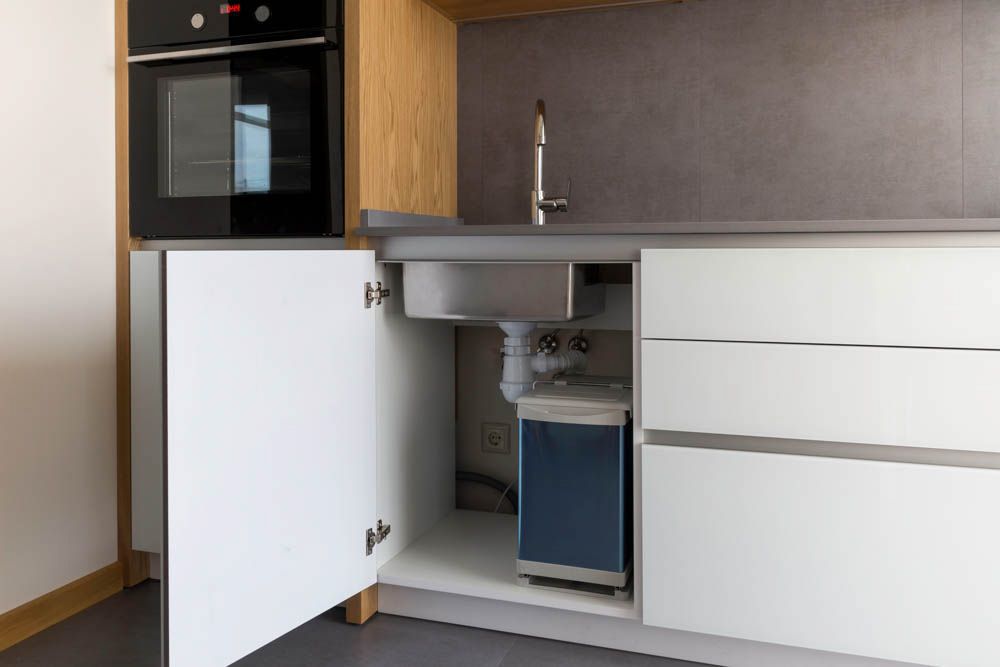
Lizards are attracted to damp, dark, undisturbed spaces. Your kitchen and bathroom cabinets, especially those under sinks, create the perfect habitat.
Prevention strategy:
- Open all cabinets daily to allow air circulation
- Fix leaky pipes immediately (they act as water sources for lizards)
- Wipe down damp surfaces in under-sink areas
- Use moisture absorbers or silica gel packets in prone areas
- Deep clean cabinets monthly to remove food particles and insect eggs
- Keep cabinet contents organised and check regularly for lizard droppings
In humid cities like Mumbai or Kochi, this step is particularly crucial during monsoon season.
Also Read: 20+ Exclusive Kitchen Drawer Designs to Die For
4. Use Naphthalene Balls Strategically
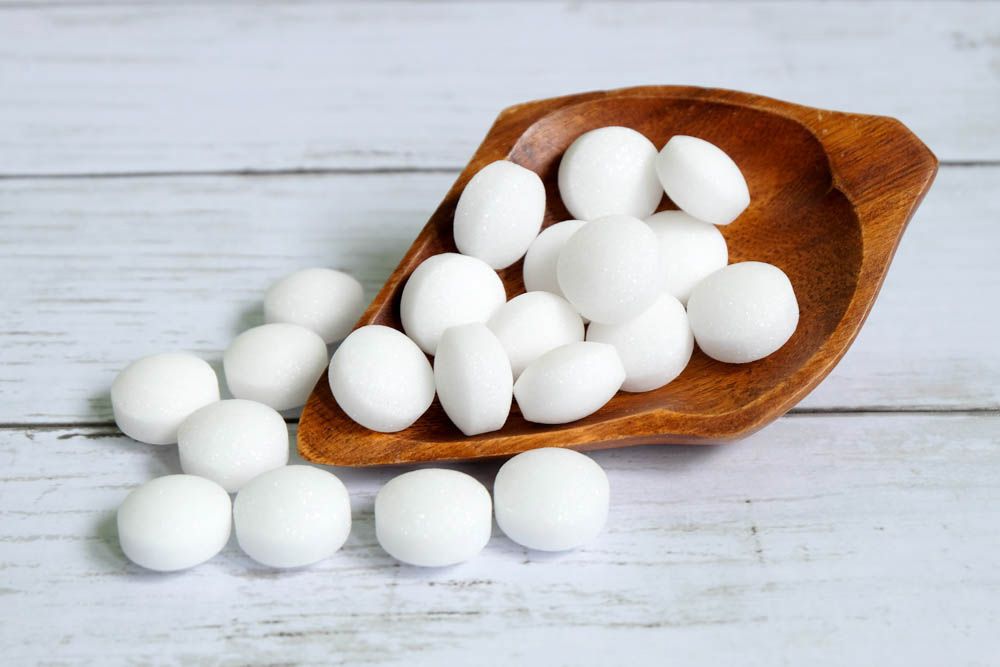
Naphthalene balls (mothballs) emit a strong odour that lizards cannot tolerate. However, this method requires caution.
How to use safely:
- Place naphthalene balls in closets, under furniture, in kitchen drawers, and on shelves
- Keep them away from food and water sources
- Ensure they’re out of reach of children and pets
- Replace every 2-3 months as effectiveness diminishes
Important warning: Naphthalene can be toxic if ingested or inhaled in large quantities. Only use this method if you don’t have small children or pets. Never place near food items.
5. Empty Eggshells as a Natural Deterrent
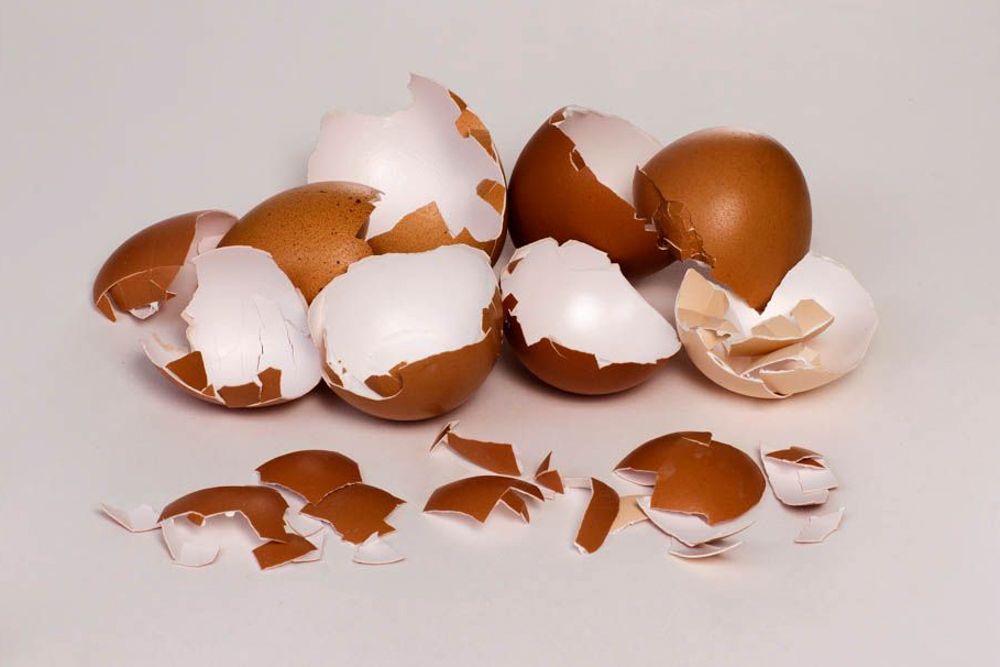
This might surprise you, but lizards cannot stand the smell of eggshells. This simple kitchen waste can become your secret weapon.
How to use:
- After cooking eggs, wipe the shells clean with a dry cloth
- Do not wash them (this removes the smell)
- Cut eggshells in half or leave them whole
- Place them in corners, windowsills, and areas where lizards frequent
- Replace weekly for best results
The science behind this: Lizards may perceive eggshells as a sign of a larger predator (birds), triggering their avoidance instinct.
6. Tabasco or Hot Sauce Spray

Similar to pepper spray but even more potent, Tabasco sauce or any hot chilli sauce makes an excellent lizard repellent.
Recipe:
- Mix 2 teaspoons of Tabasco sauce with 250ml water
- Add a few drops of dish soap (helps the solution stick to surfaces)
- Pour into a spray bottle
Application:
- Spray on walls, especially in lizard-prone areas
- Apply around entry points
- Reapply after cleaning or every 3-4 days
- Can be used on both horizontal and vertical surfaces
This method is particularly effective in kitchens and living areas.
7. Lower Your Room Temperature

Since lizards are cold-blooded and cannot regulate their body temperature, they become sluggish and uncomfortable in cool environments.
Temperature control strategy:
- Maintain indoor temperature at 22°C or below using air conditioning
- Use fans to create a cooler environment (though less effective than AC)
- Keep curtains closed during hot afternoons to prevent heat buildup
- This method is most effective in Bangalore, Delhi (during summer), or Pune
Reality check: This solution may not be practical or affordable for everyone, especially in cities like Chennai or Hyderabad where heat is constant. Consider it as a supporting strategy rather than a primary method.
8. Display Peacock Feathers

This traditional Indian remedy has been used for generations, and there’s some truth to its effectiveness. Peacocks are natural predators of lizards, and the sight or smell of peacock feathers can trigger their survival instincts.
How to use:
- Collect 5-10 peacock feathers (available at craft stores or online)
- Place them in a decorative vase near windows and doors
- Hang them from curtain rods or stick them behind wall hangings
- Tuck them into corners where lizards have been spotted
Added benefit: Peacock feathers are considered auspicious in many Indian homes and add a decorative element to your interiors.
9. Plant Natural Lizard-Repellent Plants
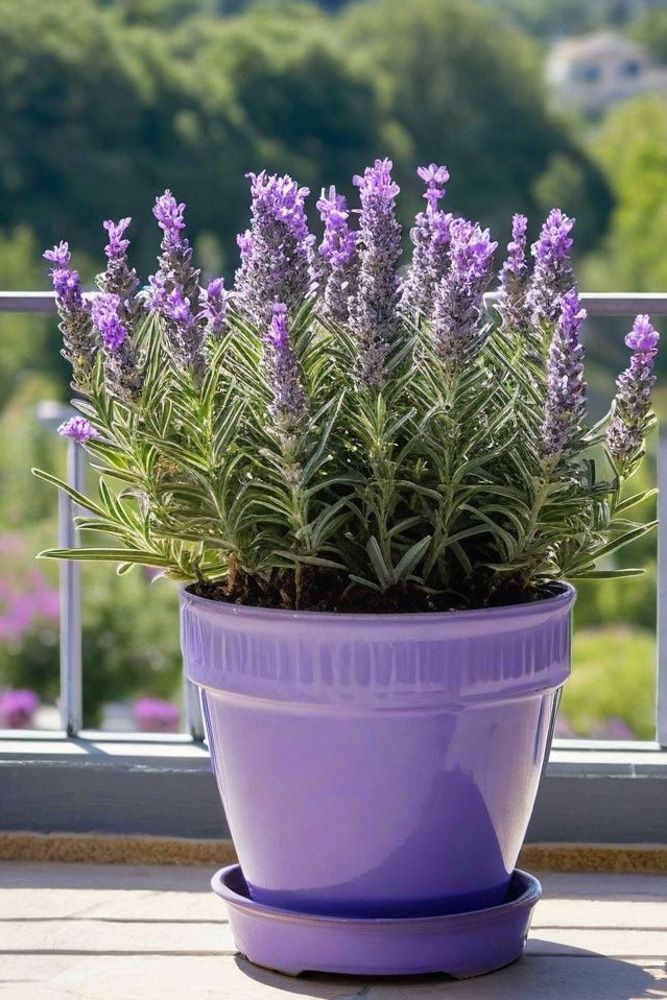
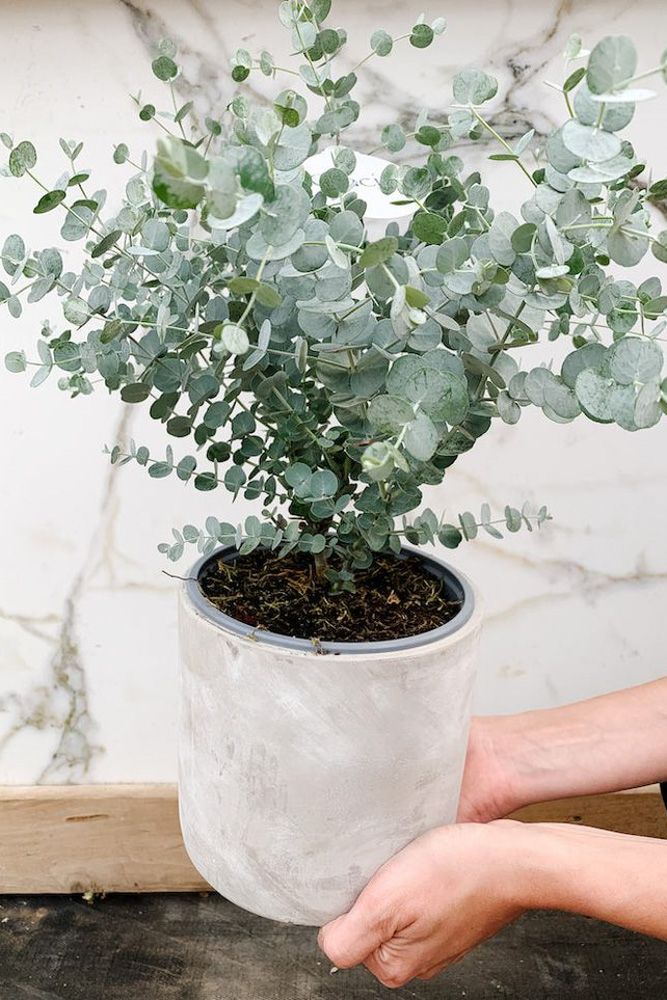
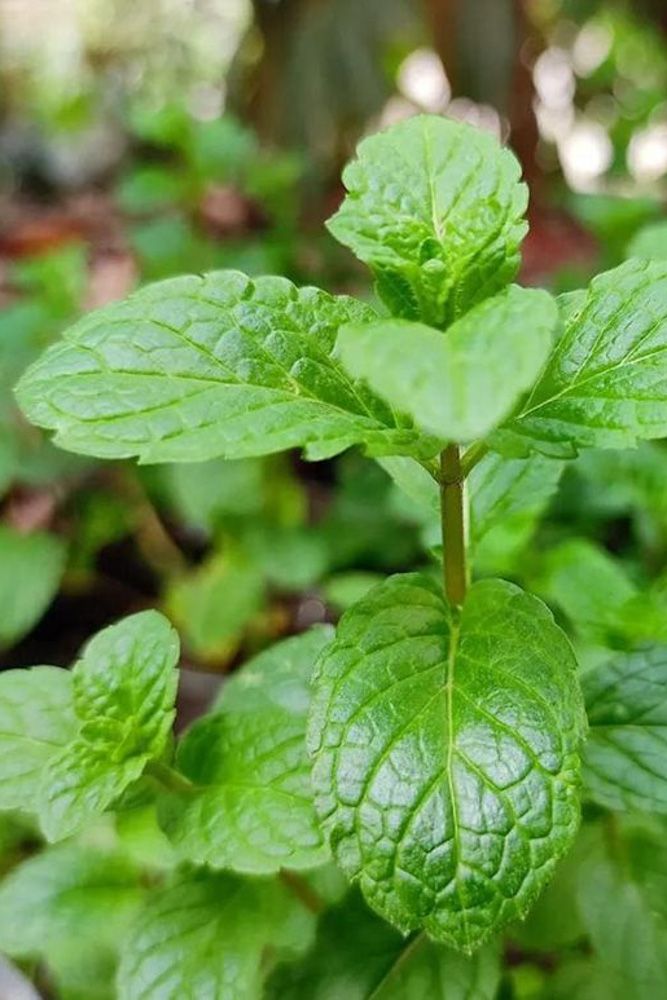
Certain plants emit strong odours that act as natural lizard deterrents. Growing these plants indoors or near entry points can significantly reduce lizard presence.
Most effective lizard-repellent plants:
- Peppermint (Mentha piperita): The strong menthol scent is unbearable for lizards. Grow in pots near windows.
- Rue/Herb-of-grace (Ruta graveolens): Called ‘Nagadali’ in Hindi, traditionally used to deter reptiles.
- Eucalyptus (Nilgiri): The pungent oil deters lizards effectively. Can be grown outdoors or used as essential oil indoors.
- Japanese Mint (Mentha arvensis): Similar to peppermint but stronger.
- Pencil Tree (Euphorbia tirucalli): A succulent with milky sap that lizards avoid.
- Lavender: Pleasant for humans but repulsive to lizards.
- Marigolds: Their strong smell keeps lizards away whilst beautifying your space.
- Rosemary: Works well when planted in kitchen window boxes.
How to use:
- Place potted plants on window sills, balconies, and near entry points
- For stronger effect, crush a few leaves and place them in corners
- Consider using essential oils from these plants in a diffuser
10. Coffee and Tobacco Powder Mix
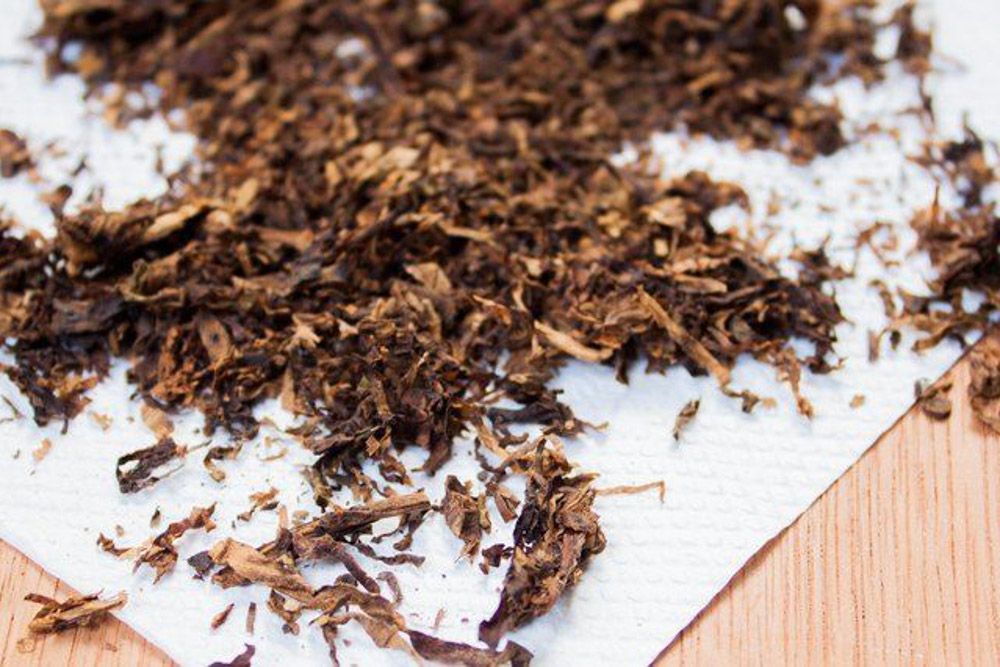
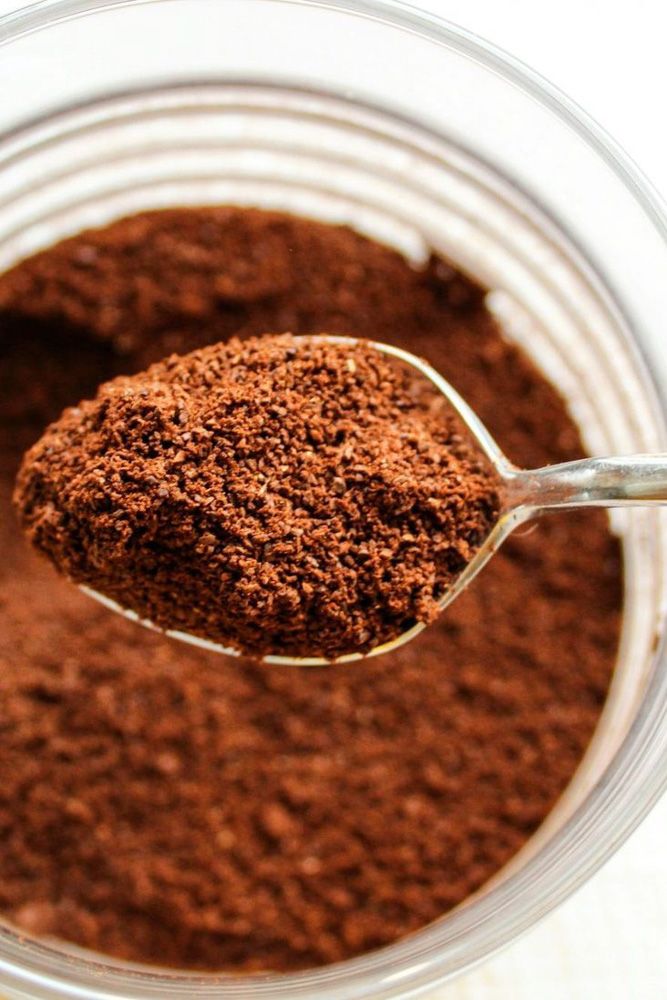
This lesser-known method uses the strong scent of coffee grounds and tobacco to repel lizards.
Recipe:
- Mix equal parts used coffee grounds and tobacco powder
- Create small pouches using thin cloth or old stockings
- Place these pouches in corners, under furniture, and in cabinets
Alternative: If you want to avoid tobacco, coffee grounds alone can work, though they’re less effective. The nicotine smell in tobacco is particularly off-putting to lizards.
11. Eliminate Their Food Source

The most effective long-term strategy is to make your home unappealing to lizards by eliminating what they came for: insects.
Comprehensive pest control approach:
- Food management:
- Never leave food uncovered, even for a few minutes
- Clean up crumbs immediately after meals
- Store dry goods in airtight containers
- Rinse wet waste bins daily
- Don’t leave dirty dishes in the sink overnight
- Insect control:
- Address any cockroach, ant, or fly problems
- Empty standing water from planters, buckets, and containers
- Keep compost bins sealed
- Use natural insect repellents like neem oil spray
- Cleanliness routine:
- Vacuum regularly to remove food particles
- Deep clean kitchen cabinets monthly
- Don’t allow clutter to accumulate
- Keep outdoor areas clean (lizards often enter from gardens)
Remember: If there’s no food, lizards have no reason to stay.
12. Install Physical Barriers
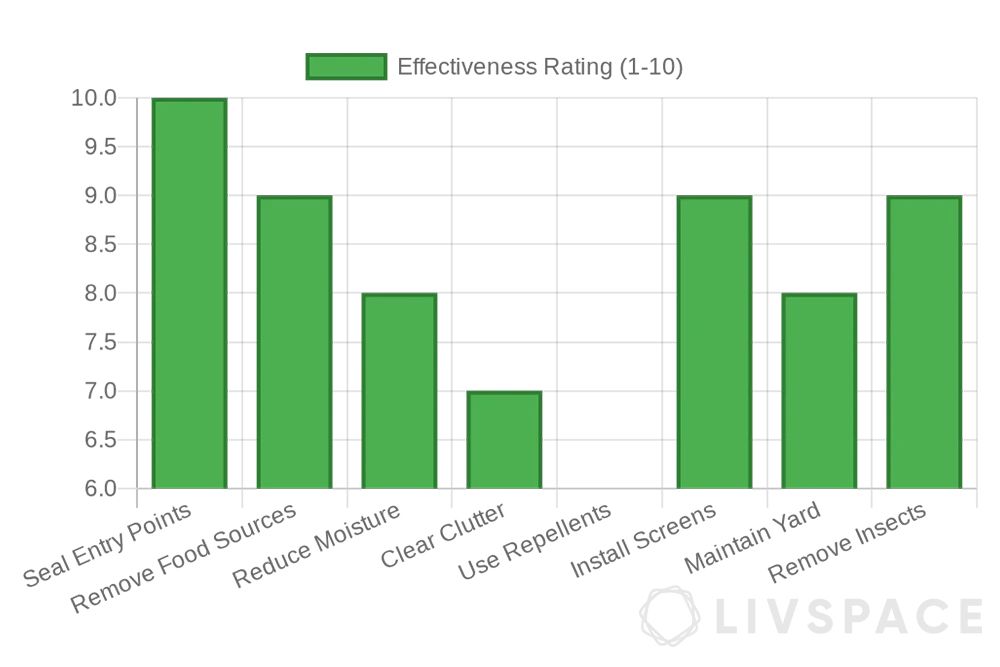
Prevention is better than cure. Making your home lizard-proof is the ultimate long-term solution.
Sealing entry points:
- Inspect your home for cracks and gaps, especially around windows and doors
- Use silicone caulk to seal cracks in walls and ceilings
- Install door sweeps to close gaps under doors
- Use weather stripping around windows
- Cover vents and exhaust fans with fine mesh
- Seal gaps around AC pipes, electrical conduits, and plumbing
Additional barriers:
- Install fine mesh screens on windows
- Keep furniture at least 6 inches away from walls to reduce hiding spots
- Ensure cupboard doors close properly
In older buildings common in cities like Delhi, Mumbai, and Kolkata, this step requires extra attention as structures often have more gaps and cracks.
How to Keep Lizards Away for Good: Long-Term Prevention
Once you’ve successfully removed lizards from your home, the next challenge is keeping them out permanently. Here’s a comprehensive prevention strategy:
Maintain a Strict Cleaning Routine
Daily tasks:
- Wipe down kitchen counters after cooking
- Sweep floors to remove food crumbs
- Take out the rubbish before bedtime
- Rinse empty food containers before disposal
Weekly tasks:
- Vacuum under furniture and in corners
- Clean behind appliances
- Empty and clean dustbins
- Check for and remove any cobwebs
Monthly tasks:
- Deep clean all cabinets
- Inspect and clean behind heavy furniture
- Check for new cracks or entry points
- Review and replace natural repellents as needed
Also Read: Bathroom Cleaning Tips: A 12-Step Guide
Seasonal Considerations
Monsoon season (June-September):
- Be extra vigilant as lizards seek dry shelter
- Ensure no water pooling in or around your home
- Use dehumidifiers in damp rooms
- Check window seals as moisture can create gaps
Summer months (March-May):
- Keep air conditioning running when possible
- Draw curtains during peak heat hours
- Lizards are more active, so increase frequency of repellent application
Regular Monitoring
- Check for lizard droppings weekly (small black pellets with white tips)
- Look for eggs in hidden corners (small, oval, white or cream-coloured)
- Note any new sightings and identify their entry route
- Adjust your strategy based on observations
Can Lizards in Your Garden Be Beneficial?
Whilst you certainly don’t want lizards inside your home, having them in your garden is actually a blessing in disguise. Here’s why you shouldn’t be too eager to eliminate garden lizards:
Natural Pest Control Champions
Garden lizards, particularly the common garden lizard (Calotes versicolor), are voracious insect eaters. A single lizard can consume:
- 20-30 mosquitoes per day
- Numerous gnats and midges
- Flies that would otherwise enter your home
- Caterpillars that damage plants
- Grasshoppers and beetles
- Small spiders
This means: Lizards in your garden act as free, chemical-free pest control, reducing the mosquito population that could otherwise spread dengue, malaria, and chikungunya. In cities where mosquito-borne diseases are prevalent (like Kolkata, Chennai, and Mumbai), garden lizards are unsung heroes.
Part of a Healthy Ecosystem
Lizards are indicators of a healthy garden ecosystem. Their presence suggests:
- Good insect diversity (their food source)
- Minimal pesticide use
- Adequate shelter and vegetation
- A balanced food chain
Garden lizards also serve as food for birds, encouraging biodiversity in your outdoor space.
How to Encourage Garden Lizards Whilst Keeping Them Outdoors
Create a lizard-friendly garden:
- Plant native shrubs and bushes for shelter
- Create rock piles or log stacks where they can hide
- Avoid using chemical pesticides
- Provide a small water source (away from your home)
- Leave some wild areas unmowed
But keep them outside:
- Ensure door seals are intact
- Use natural repellents only near entry points, not throughout the garden
- Create a clear boundary between indoor and outdoor spaces
- Keep windows and doors closed, especially at night when lizards are most active
The balance: Think of your garden as a buffer zone. Lizards happily hunting insects outside means fewer insects (and therefore fewer lizards) trying to enter your home.
Safety Considerations When Using Home Remedies
Whilst the methods described in this article are natural and generally safe, keep these precautions in mind:
When Using Sprays
- Always test on a small, inconspicuous area first to check for staining
- Avoid spraying directly on electrical outlets or appliances
- Keep spray bottles labelled and away from children
- Don’t use pepper or chilli sprays in poorly ventilated spaces
- Wash hands thoroughly after preparing or applying
Naphthalene Warnings
- Never use around food
- Keep away from children and pets
- Ensure good ventilation in areas where it’s used
- Can be toxic if ingested
Essential Oils and Plants
- Some people may be allergic to certain plant oils
- If using concentrated essential oils, always dilute them
- Keep potentially toxic plants (like pencil tree) out of reach of pets and children
Physical Removal
- Never try to physically catch or harm lizards
- If you must remove one, gently coax it into a container and release outdoors
- Always wash hands after any contact
Final Thoughts: A Holistic Approach to Lizard Control
Getting rid of lizards isn’t about declaring war on these harmless creatures. It’s about creating an environment in your home that’s naturally uninviting to them whilst maintaining a healthy ecosystem outside.
Remember the key principles:
- Eliminate food sources (insects) first
- Use natural repellents consistently
- Seal all entry points thoroughly
- Maintain cleanliness religiously
- Appreciate garden lizards for their pest control benefits
Most importantly, understand that lizards in Indian homes are a symptom, not the disease. They’re telling you that you have an insect problem. Address that, and the lizard problem will resolve naturally.
With the 12 proven methods outlined in this guide, combined with consistent prevention strategies, you can achieve and maintain a lizard-free home. The key is patience, consistency, and a holistic approach that addresses both the symptoms and root causes.
How can Livspace help you?
- 100,000+ happy homes designed with expertise and trust
- Operational in 100+ cities across India for seamless service
- 3,500+ designers and professionals bringing your dream home to life
- Designed to last, our products come with a lifetime warranty
Finding the right designs for your dream home is not an easy feat. The good news? You don’t have to figure it out alone, and you definitely don’t need to make expensive mistakes that’ll haunt you every time you walk into your home.
Looking for tailor-made costs for your home? Hit our Cost Calculator to jump into your financial planning.
Need inspiration beyond your current Pinterest spiral? Check out Design Ideas for professionally curated looks that actually translate to Indian homes and lifestyles.
Want to see what real people think? We have designed over 75,000+ homes. Browse through Livspace reviews from customers and hear what they have to say about us.
Ready to take the next step? Find an interior designer near you and let’s get started.


